Here's One Thing Most Home Buyers Forget to Budget For: Landscaping
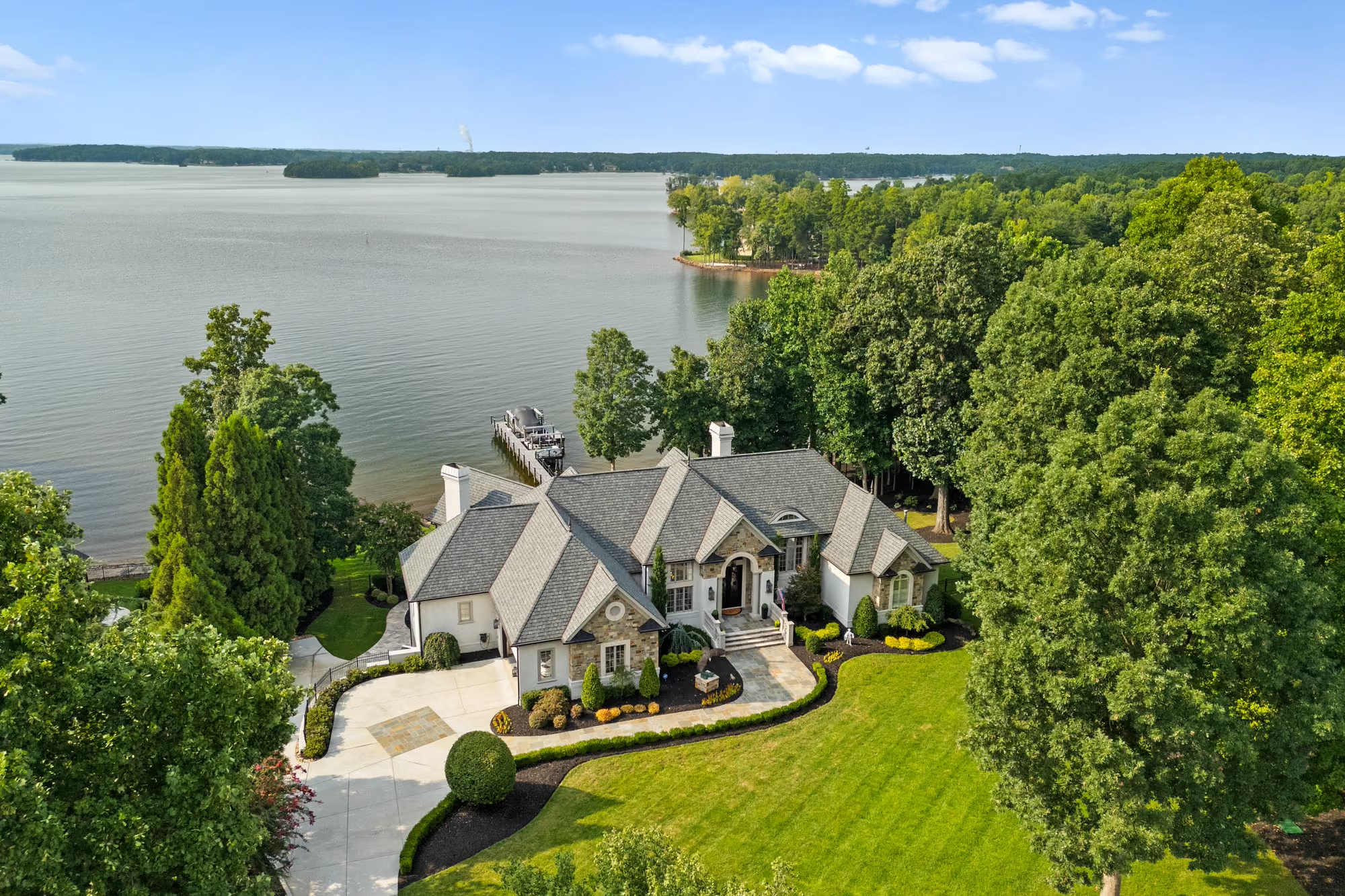
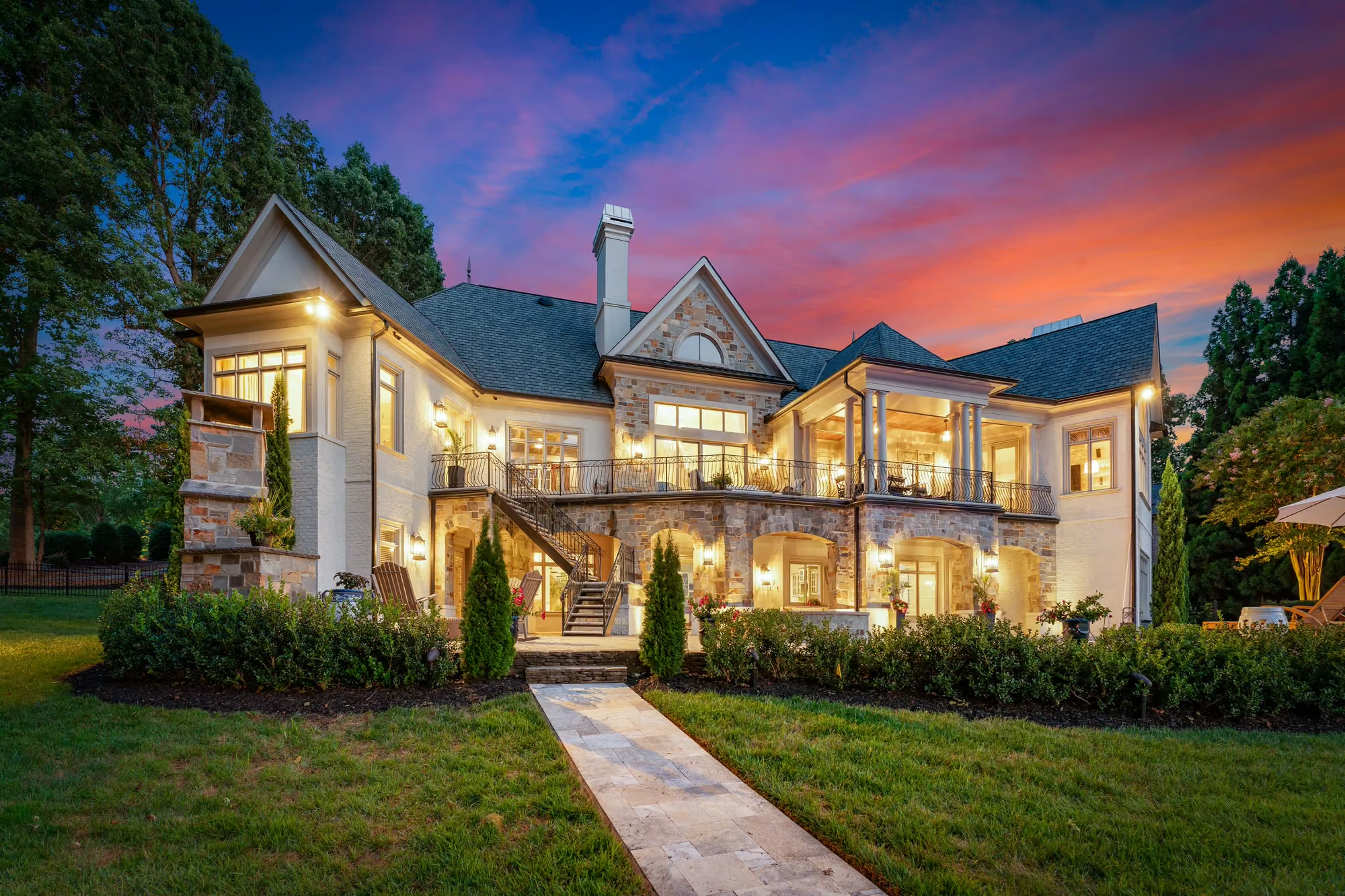
A good-looking yard, with a fresh lawn, healthy trees and colorful flower beds, adds to curb appeal and to a home’s value. It makes a strong first impression and makes a house look looked after.
Buyers who fall for a yard at a showing often forget what it costs to keep it that way. Lawn care, irrigation repairs and tree work add up quickly, especially on larger lots with a lot of landscaping.
If you are buying your first home, know what the landscaping will cost before you buy, so it does not catch you out later. Here are the landscaping costs buyers most often forget.
Lawn maintenance can be a never-ending expense.
A well-kept lawn takes constant work, and depending on its size it can take a lot of time and money. Typical lawn care means mowing, fertilizing, weed control, aerating and overseeding, pest treatments, seasonal cleanup and sometimes replacing sod.
Homeowners who hire a lawn service can spend anything from a few hundred to several thousand dollars a year, depending on the size of the property and where they live. If you plan to do it yourself, you still need equipment: a mower, trimmers, a blower, sprinklers and more. Include lawn care when you work out what a house will cost you.
Home irrigation systems are nice upgrades, but can also be costly.
Buyers tend to see an automatic sprinkler system as a bonus and forget the repairs. Sprinkler heads break, valves wear out, underground leaks develop and controllers go out of date. In colder climates the system also has to be winterized every year to prevent freeze damage.
Irrigation can also push up water bills in peak season, especially in warmer states where lawns need frequent watering. Before you buy, ask how old the system is, how it has been maintained, whether it has had leaks or drainage problems, and what the water bills run in a typical season. The answers give you a much clearer idea of future landscaping costs.
Mature trees are expensive responsibilities.
Big trees give a property privacy, shade and charm, and they cost more to keep than most people expect. Trimming, pruning and treating disease are jobs for a professional arborist, and removing a tree that becomes damaged, diseased or dangerous can be expensive.
Roots can also damage sidewalks, driveways, foundations, underground plumbing and irrigation lines, and the problems can stay hidden for years. Before you buy a home with mature trees, find out whether they have been properly cared for, and be ready for the upkeep.
Keep in mind the HOA landscaping requirements.
If the home is in a homeowners association (HOA), there are often strict rules about how the lawn looks, tree care, fences, seasonal upkeep and even which landscaping designs are allowed. Some HOAs include landscaping in the monthly dues. Others require owners to keep their property up to the community’s standards at their own expense. Read the rules before you buy.
Outdoor features need some care, too.
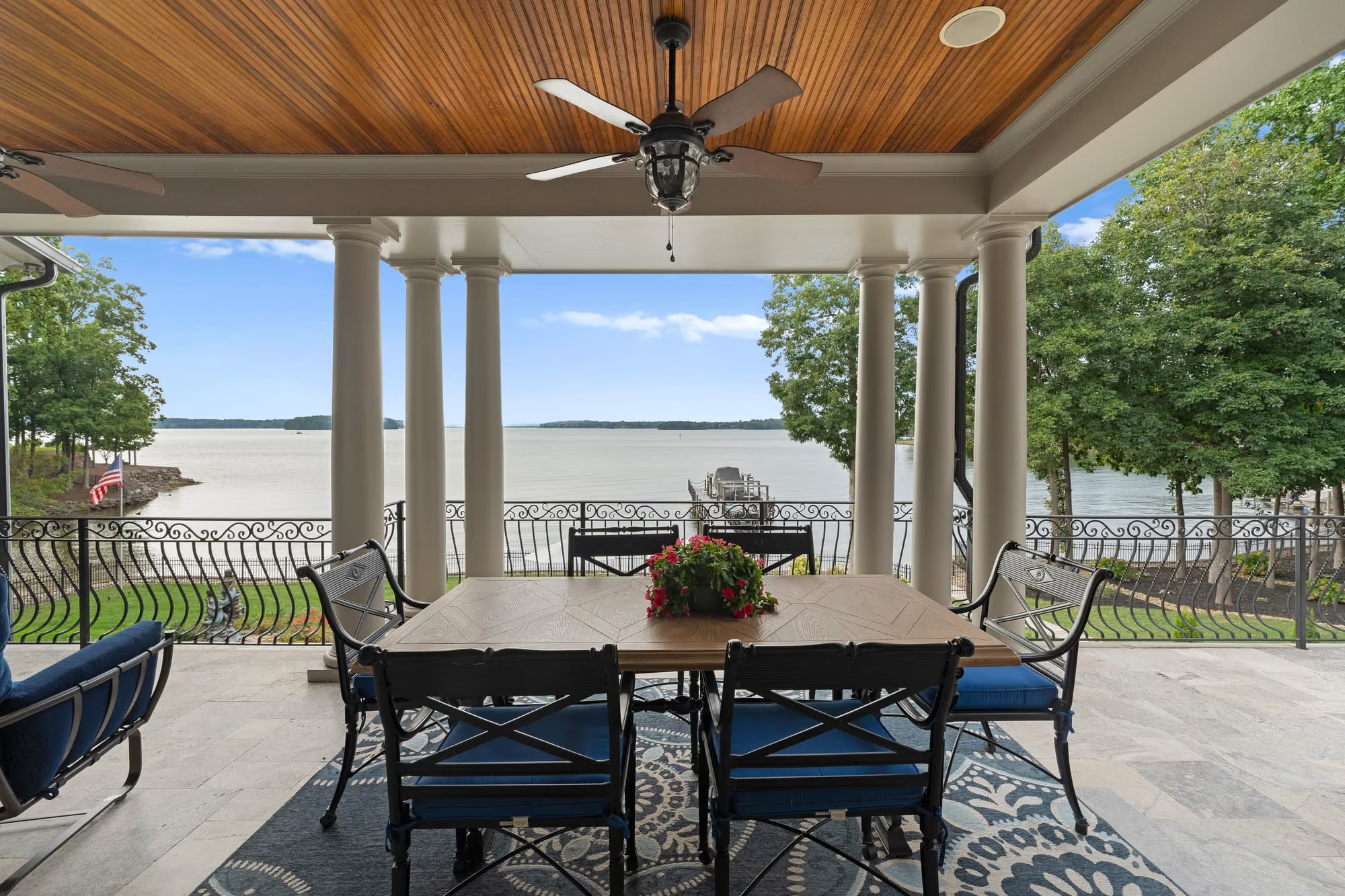
Backyards are a big selling point in today’s market. At a showing it is easy to picture yourself on the patio, by the pool, in the outdoor kitchen or around the fire pit. These features look luxurious, but they need regular upkeep to keep them looking good and stop them from wearing out.
Climate and regional conditions also matter.
Landscaping costs also vary a great deal by region and climate. Homes in dry areas may need drought-tolerant landscaping. Homes in cold climates may need seasonal cleanup, repairs after snow, or irrigation that is winterized. In storm-prone areas, expect higher tree care costs. If you are moving from another state or a very different climate, find out how local conditions affect upkeep so you can budget realistically before you buy.
Home buyers, landscaping is part of the real costs of homeownership
Landscaping matters to how a home looks, what it is worth and how much you enjoy it. When you tour homes, look past the appearance to what the yard and outdoor spaces will cost to maintain, and give the yard the same attention you give the roof, the HVAC system or the foundation. Ask questions, do your homework, and work with a local real estate agent you trust, so you can buy with confidence and budget for what owning the home will really cost.